Cihan University-Erbil Holds Workshop on Understanding Emerging Viral Diseases in the Modern Era
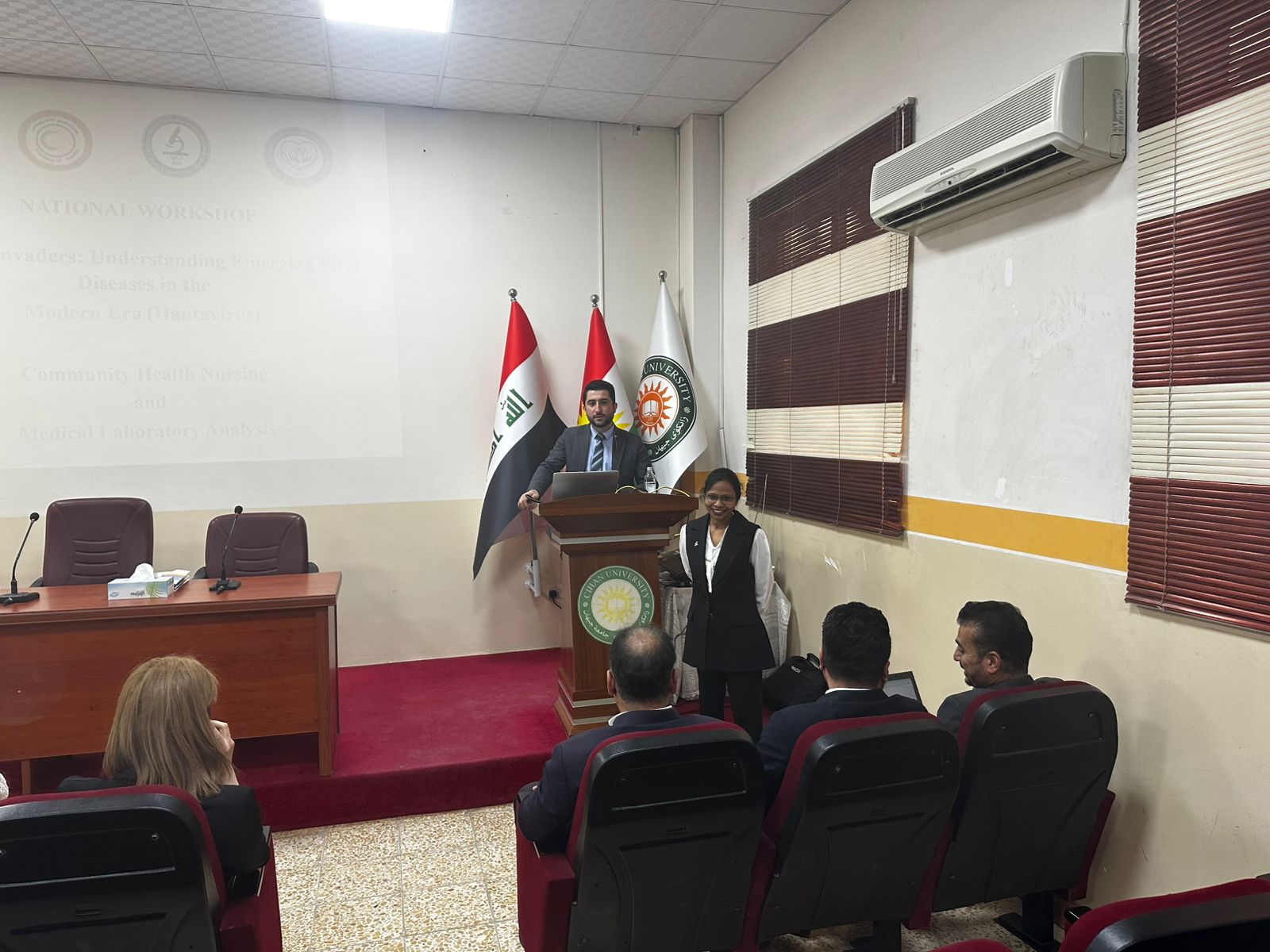
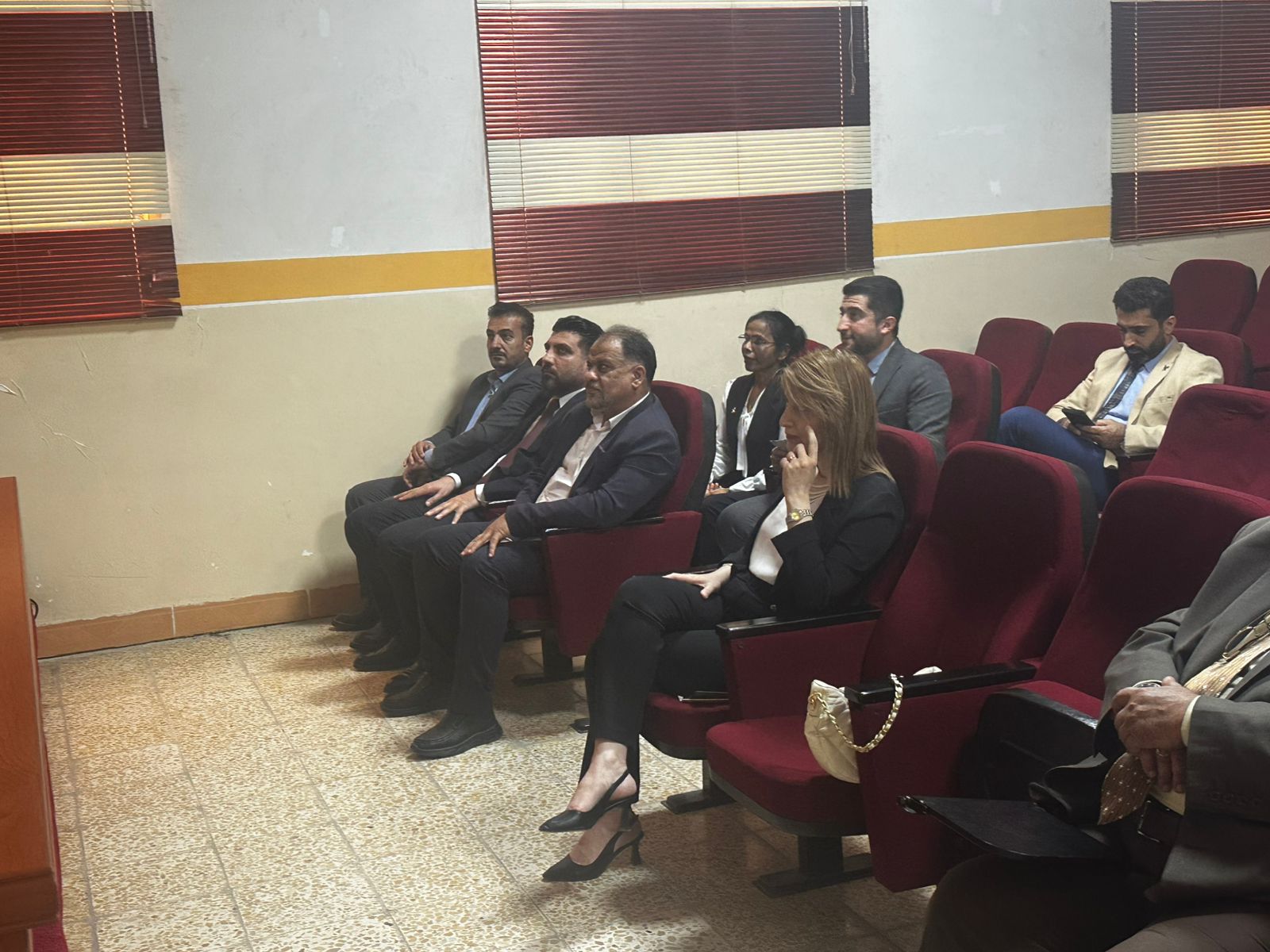
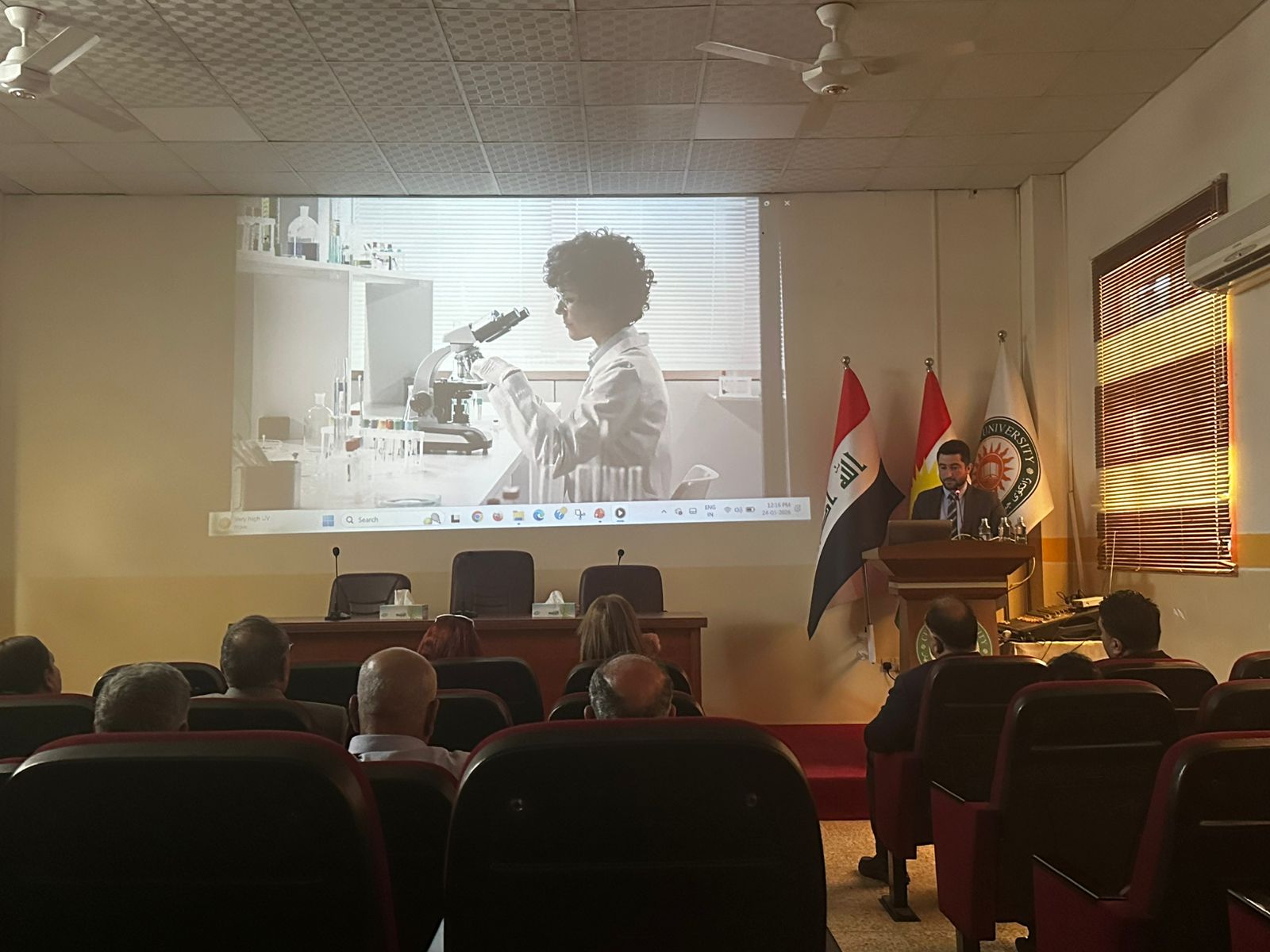
On Sunday, May 24, 2026, the Departments of Medical Laboratory Analysis and Community Health Nursing organized a national scientific workshop entitled “Invisible Invaders: Understanding Emerging Viral Diseases in the Modern Era Hantavirus” in the VIP Room.
The event highlighted the growing importance of understanding emerging viral diseases in the modern era and encouraged scientific dialogue on viral spillover, global preparedness, and public health defense strategies against invisible viral threats.
The program commenced with a welcoming speech delivered by Assistant Professor Dr. Zean Zevenkey, who emphasized the importance of scientific activities that address contemporary public health challenges and strengthen cooperation among the fields of laboratory sciences, healthcare, epidemiology, and public health.
The first scientific lecture was presented by Dr. Thamari Thankam, titled “From Wildlife to Worldwide: The Hidden Pathways of Viral Spillover.” In her presentation, she discussed the hidden pathways through which viruses can spread from wildlife to human populations. She also highlighted the importance of understanding viral spillover and the factors contributing to the emergence and spread of viral diseases in the modern world.
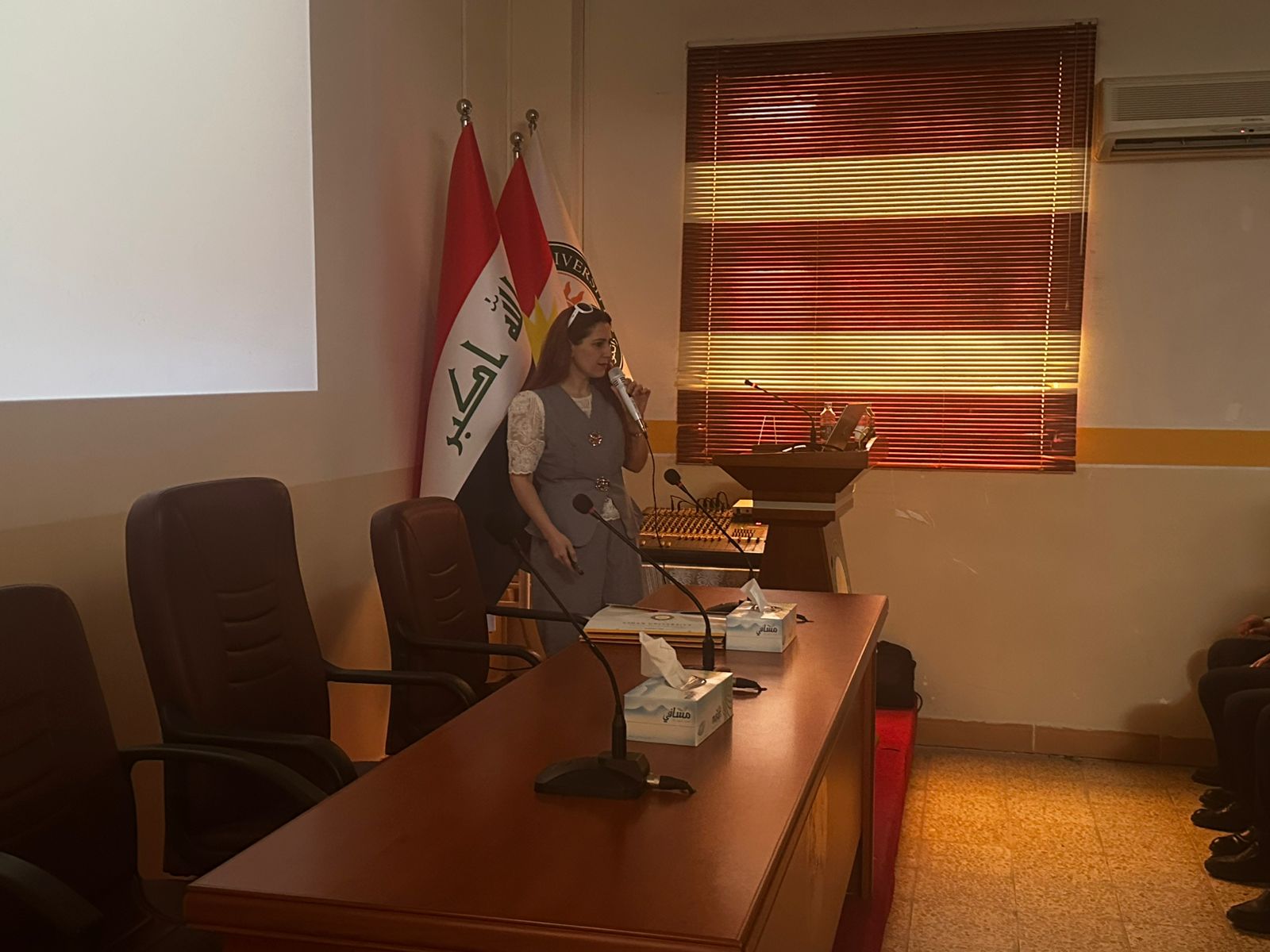
The second lecture was delivered by Dr. Beena Halko Ahmed Shawki, titled “Invisible Threats in a Connected World: Emerging Viral Diseases and Global Preparedness.” Her lecture focused on the challenges posed by emerging viral diseases in an increasingly interconnected world and emphasized the importance of preparedness, surveillance, and coordinated public health responses in reducing the risks associated with emerging viral threats.
The third lecture was presented by Mr. Shallow Faris Ahmed, titled “Beyond Borders: Global Defense Against Invisible Viral Threats.” His presentation addressed the global nature of viral diseases and emphasized the importance of collaborative defense strategies that extend beyond geographical borders. He also highlighted the role of awareness, prevention, and scientific cooperation in strengthening public health protection.
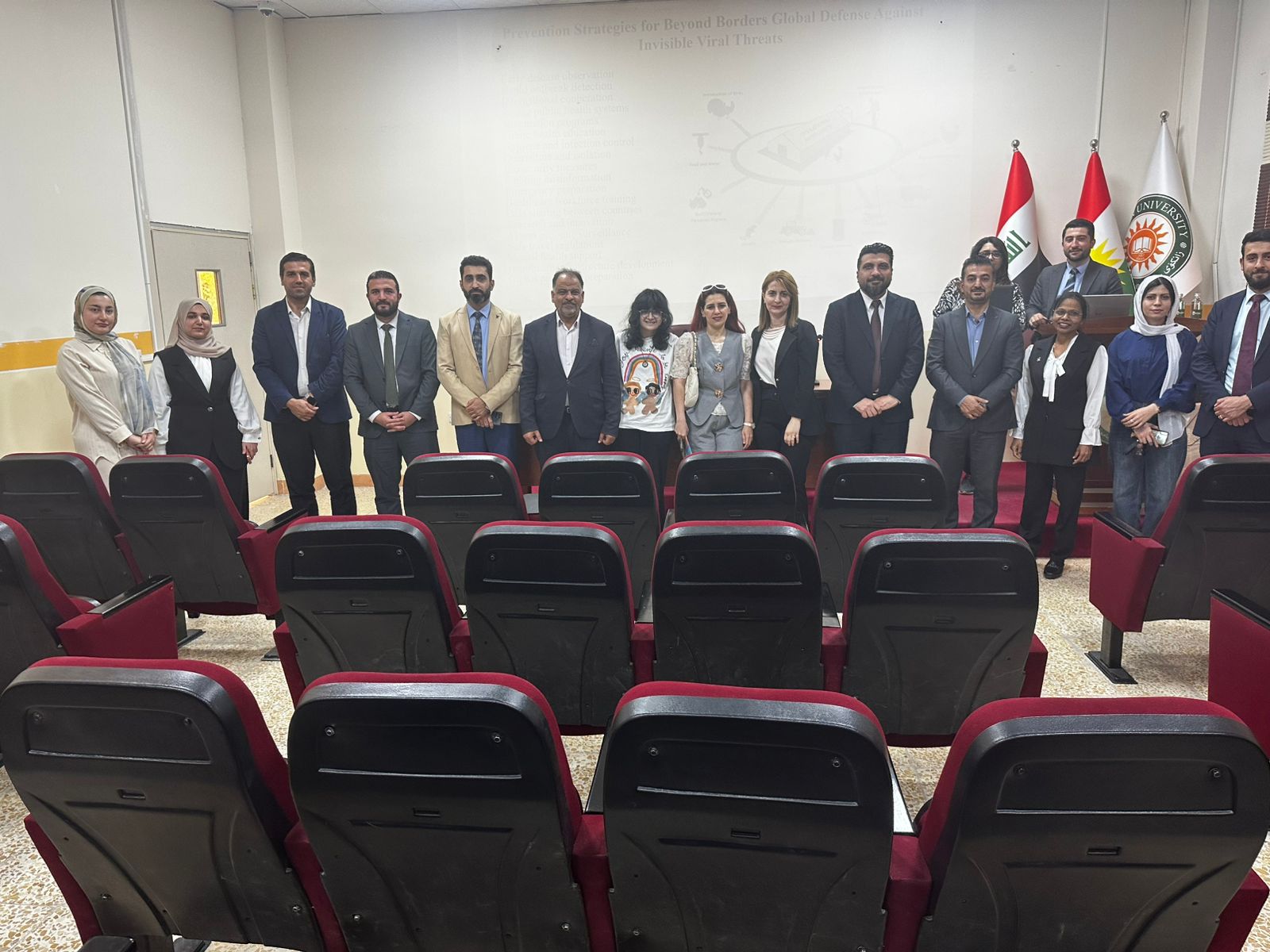
The workshop witnessed active participation and scientific interaction among attendees, as participants exchanged perspectives and discussed issues related to emerging viral diseases, viral transmission, preparedness, and public health responses. Participants were also given the opportunity to engage in open scientific discussions and raise questions related to the presented topics.

You may also like