

Medical Laboratory Analysis Department Students Visit Smart Laboratory
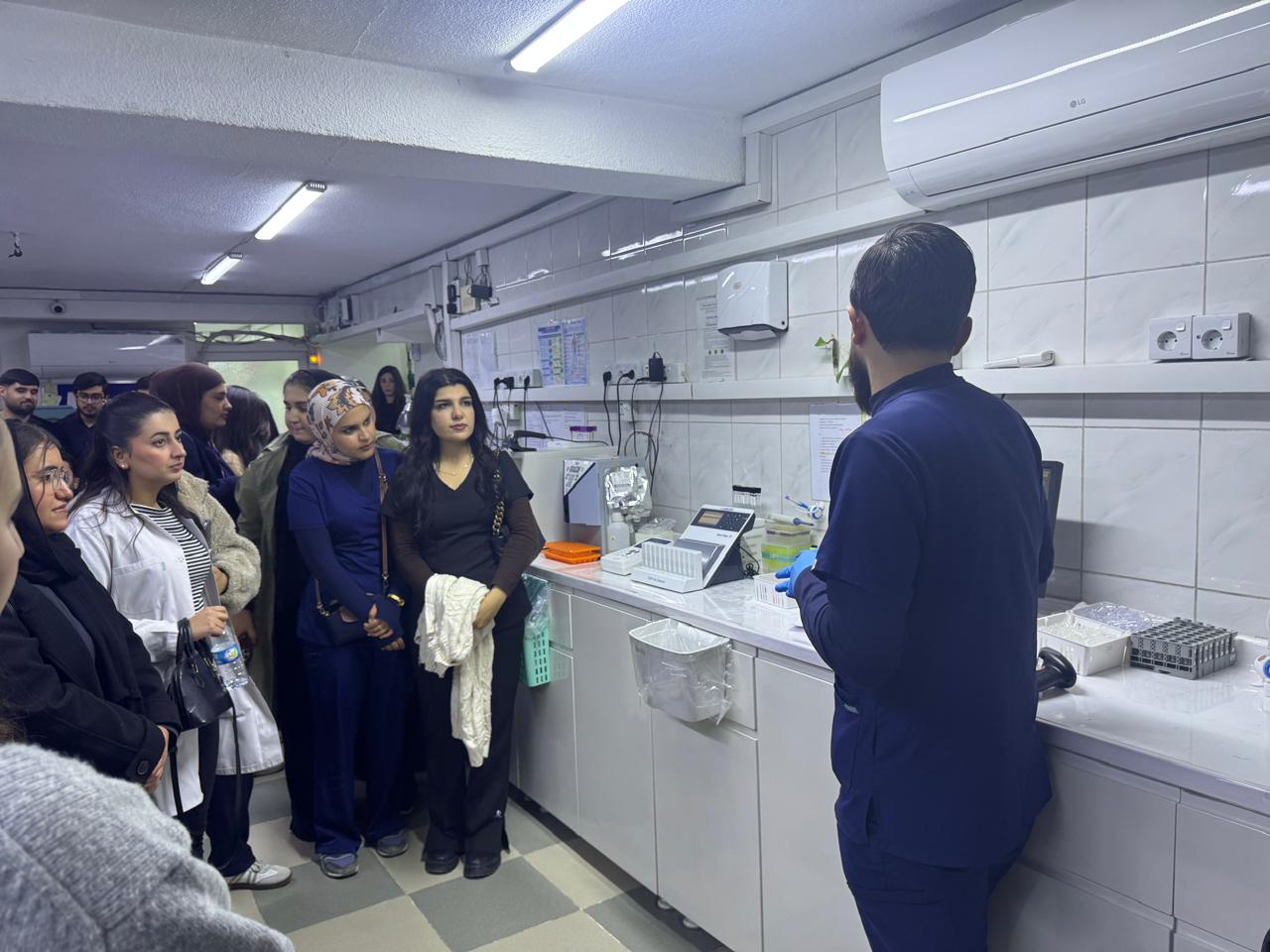
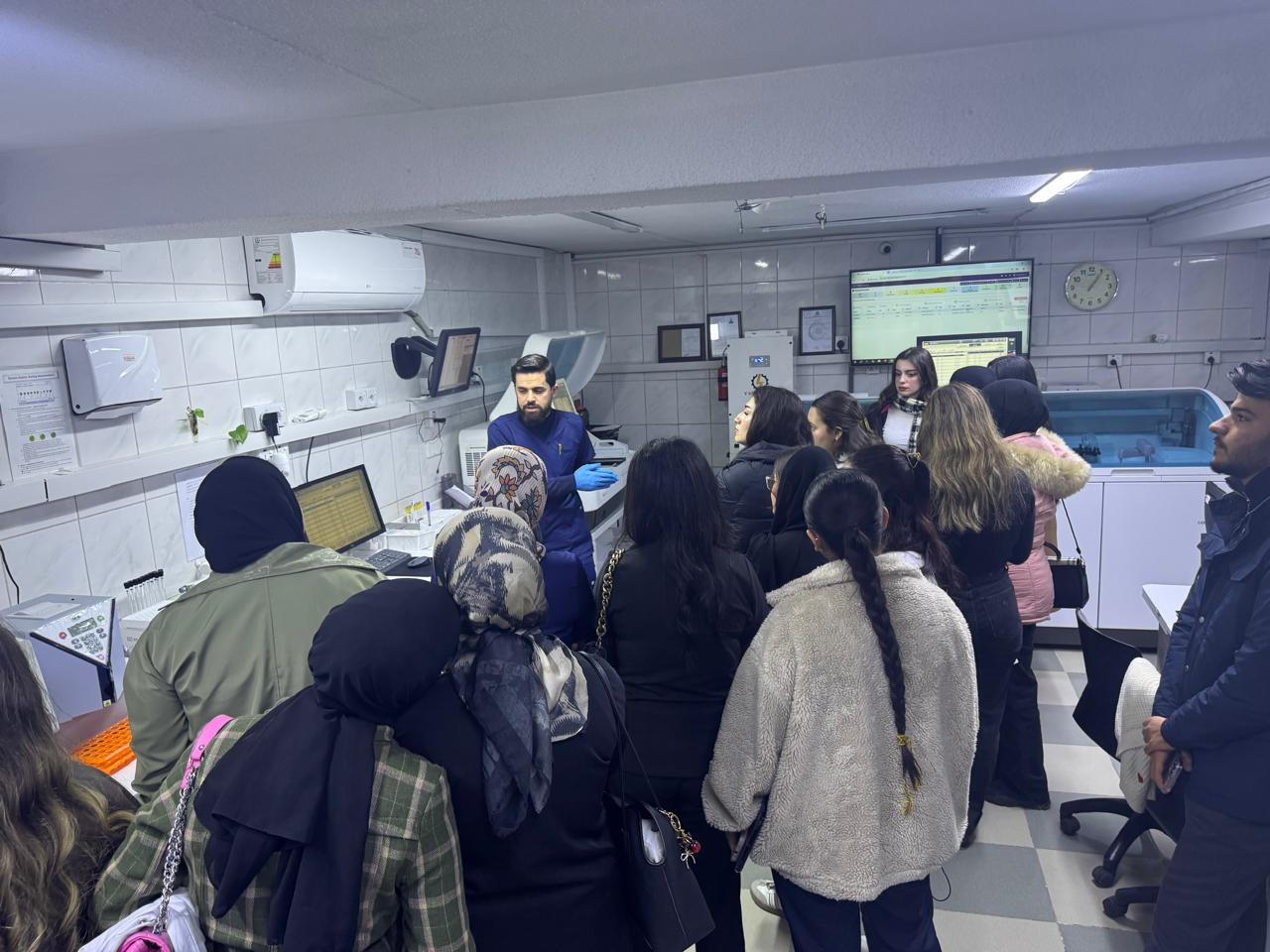
Third-year students from the Medical Laboratory Analysis Department at Cihan University–Erbil visited Smart Laboratory on Tuesday, February 3, 2026, under the supervision of Assistant Lecturer Sally Khaleel Baqer. The students were received by Mr. Mohammed Qader Hassan, and the visit focused on understanding the laboratory workflow and its practical applications.
The visit began with a brief overview of routine laboratory operations and how daily procedures are coordinated to ensure both efficiency and accuracy. Students were then guided through different laboratory units to observe the instruments in use and learn how each analyzer is selected and applied depending on the requested test. A key point highlighted during the tour was that reliable results do not depend solely on the analyzer; proper specimen organization from the moment of receipt, clear patient identification, and correct pre-analytical preparation all strongly influence the final report. Practical examples of common errors that may affect results were also discussed, along with ways to prevent them by following standard operating procedures and reviewing critical steps before releasing reports.
A focused scientific section covered electrolyte testing, emphasizing that electrolyte measurements are sensitive indicators closely related to fluid balance and neuromuscular function. The roles of sodium in regulating water balance and osmotic pressure, potassium in muscle activity and maintaining normal heart rhythm, and chloride in acid–base balance were explained. The importance of magnesium was also addressed, as it supports enzyme function and contributes to neuromuscular stability; disturbances may be reflected in muscular or cardiac symptoms. Students were further informed that electrolyte results can be affected by pre-analytical factors such as the blood collection method, tube type, hemolysis, and the timing of serum or plasma separation. Accordingly, the session emphasized that accuracy begins with proper specimen handling before the sample reaches the analyzer.