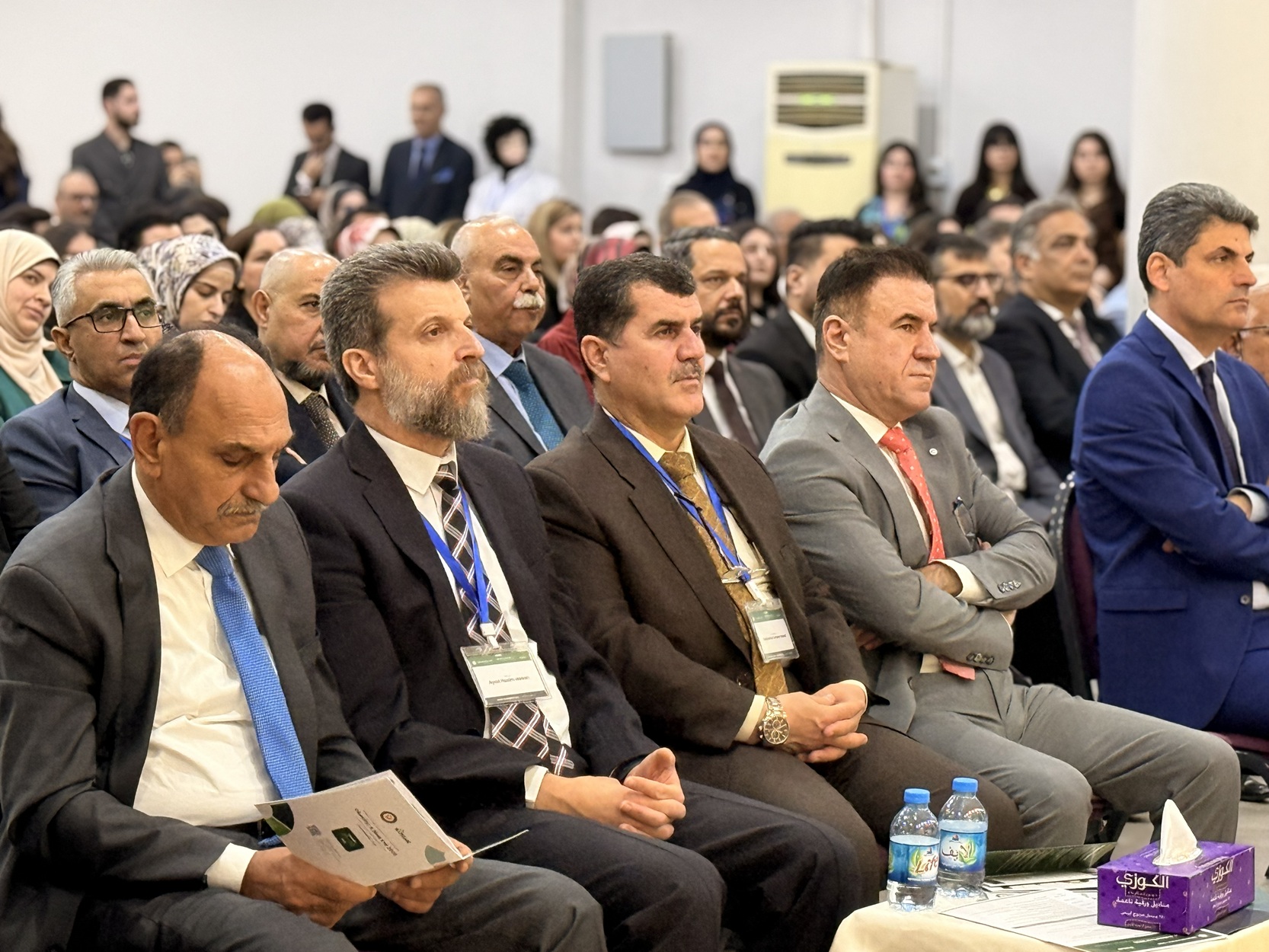
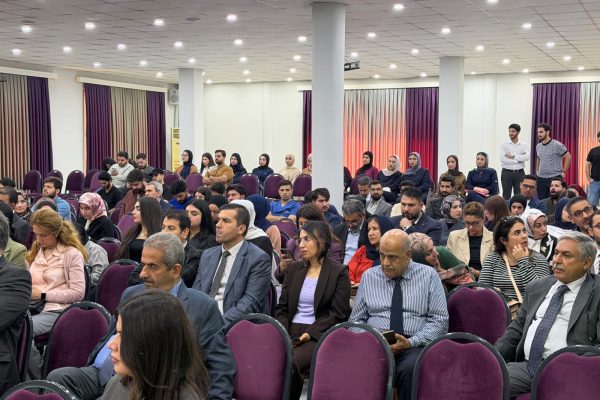
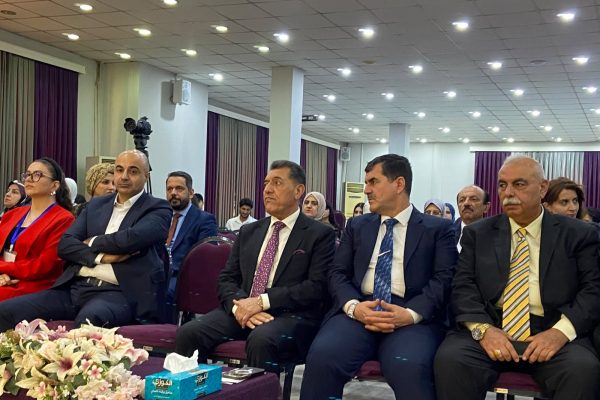
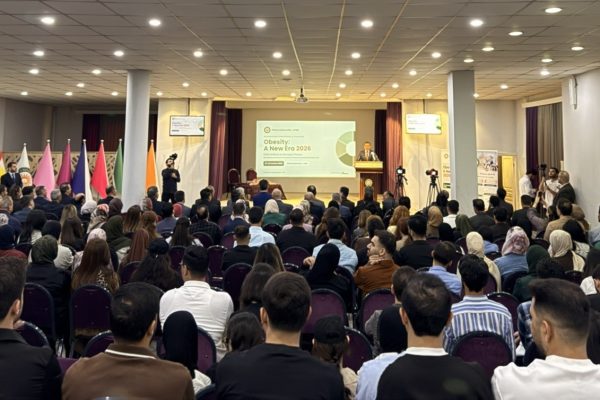
On Thursday, October 22, 2026, the second day of the International Conference on Obesity: A New Era 2026 – Prevention, Treatment and Multidisciplinary Care, organized by Cihan University-Erbil in partnership with Barsam International Development and Innovation Company, featured an international scientific workshop titled ‘Obesity, A New Era in Practice – From Nutrition and Medical Multidisciplinary Management to Bariatric Surgery and Policy.’ Held at the university’s Conference Hall, the workshop addressed important aspects of obesity prevention and management, focusing on the role of healthcare professionals, childhood nutrition, dietary approaches, and the relationship between gut microbiota and metabolic health.
The scientific workshop began with a presentation titled ‘The Role of Nutritionists and Dietitians in the Healthcare Team: A Wake-Up Call for Multidisciplinary Practice’ by Dr. Salih Mustafa Salih Zebari from the Department of Nutrition and Dietetics at Cihan University-Erbil. The presentation addressed the essential role of nutritionists and dietitians within modern healthcare systems, highlighting the importance of integrating nutritional assessment, dietary planning, and continuous patient monitoring into clinical practice. It also emphasized the need for effective cooperation among physicians, nutrition specialists, nurses, and other healthcare professionals to provide comprehensive, patient-centered care and improve the management of obesity and other nutrition-related health conditions.
The second presentation titled ‘Growing Healthy: Smart Food Choices, Active Lifestyles and Preventing Childhood Obesity’ was delivered by Dr. Samira Hosseini, Food and Nutrition Policy Specialist at Barsam International Development and Innovation Company. It focused on childhood obesity as a growing public health concern, examining the influence of dietary habits, physical inactivity, family environments, and lifestyle behaviors on children’s health. Additionally, it highlighted the importance of encouraging balanced meals, reducing excessive consumption of energy-dense foods and sugary beverages, promoting regular physical activity, and strengthening nutrition education within families and schools. The topic also emphasized the importance of early preventive measures in supporting healthy growth and reducing obesity-related complications later in life.
The scientific discussions continued with Dr. Haval Abdullah Khudher from the Faculty of Science at Soran University, who presented on ‘One Meal a Day (OMAD): A Potential Strategy for Obesity Prevention.’ The presentation examined the concept of consuming one meal per day as a form of intermittent fasting and its potential implications for body weight and metabolic health. The topic explored possible effects on energy intake, weight management, and metabolic regulation, while highlighting the need to consider individual nutritional requirements, possible health risks, and the importance of scientific evidence when evaluating restrictive dietary approaches. The discussion also reflected the importance of selecting appropriate and sustainable nutritional strategies according to individual health conditions.
Concluding the scientific presentations, Mr. Burhan Khalil Zangana, who holds an MSc. in Clinical Nutrition and Dietetics and is the Founder of Tareefa Nutrition in India and Beit Al-Tabiaa Clinic in Kirkuk, delivered a presentation titled ‘Gut Microbiota and Obesity: Can Beneficial Bacteria Influence Weight and Metabolism?’ The presentation explored the relationship between intestinal microorganisms, metabolic regulation, and body weight. It addressed the potential influence of gut microbiota on nutrient metabolism, energy balance, and obesity-related metabolic processes. The topic also examined how dietary patterns and beneficial microorganisms may contribute to gut health and metabolic function, highlighting the growing scientific interest in the relationship between intestinal microbial communities and obesity management.
Through these presentations, the workshop addressed several interconnected dimensions of obesity, ranging from the professional responsibilities of nutritionists and dietitians to childhood prevention, dietary strategies, and emerging research on gut microbiota. Such scientific activities highlighted the importance of combining nutritional knowledge, clinical expertise, preventive healthcare, and multidisciplinary cooperation to develop effective and sustainable approaches to obesity management.
The workshop contributed to the conference’s objectives of strengthening professional knowledge, encouraging evidence-based nutritional practices, and promoting cooperation between academic institutions and healthcare professionals. It also reflected the commitment of Cihan University-Erbil and the Department of Nutrition and Dietetics to advancing nutrition education, supporting scientific exchange, and improving public health through comprehensive approaches to obesity prevention and treatment.